Free site visit & energy assessment.
Custom PV design & proposal.
Consent & grid application.
Professional installation.
Testing & certification.
Ongoing O&M support.
A high-performing solar installation starts long before the first panel is mounted. Our design process combines detailed site analysis, load modelling, and network-aware engineering to ensure every PV system is technically optimised for long-term energy yield, grid compliance, and financial return. By validating design assumptions upfront, we reduce performance risk, avoid oversizing, and ensure the system aligns with both current and future electricity demand.
Every project begins with a detailed assessment of roof geometry, orientation, pitch, structural constraints, and shading exposure. Using advanced shade modelling and solar simulation software, we evaluate seasonal irradiance losses caused by nearby buildings, vegetation, roof obstructions, and horizon shading. This enables accurate production forecasting and prevents avoidable yield losses before installation begins.
Roof orientation and tilt analysis for optimal annual generation
Drone-assisted or on-site shading assessment using solar modelling tools
Structural review of roof loading capacity and mounting suitability
Array layout optimisation to minimise mismatch and shading losses
Preliminary compliance review against AS/NZS 5033 requirements
Client Outcome: A technically validated solar design that maximises generation potential while reducing long-term performance risk.

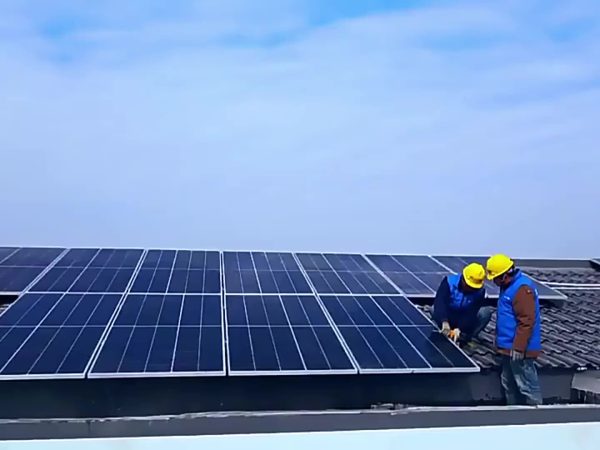
Solar systems perform best when generation closely matches site consumption patterns. We analyse historical interval data, seasonal demand trends, and future load growth to accurately size the PV and battery system for maximum self-consumption and tariff efficiency.
Analysis of historical electricity bills and interval metering data
Daytime vs. evening consumption modelling
Future demand forecasting for EV charging, HVAC, or process loads
Export/import optimisation based on retailer tariff structures
Battery storage feasibility assessment and payback modelling
Client Outcome: A right-sized system designed to reduce grid dependency and improve return on investment over the system lifecycle.
Our engineering team calculates the optimal combination of panel capacity, inverter topology, and battery storage based on site conditions and operational objectives. Whether the project requires string inverters, hybrid systems, or microinverter architecture, every component is selected for reliability, efficiency, and network compatibility.
PV array sizing using irradiance and load simulation data
Inverter selection: string, hybrid, or microinverter configurations
DC/AC ratio optimisation for improved energy harvest
Battery sizing for backup, peak shaving, or self-consumption
Export limit and grid compliance design considerations
Client Outcome: A fully integrated solar solution engineered for stable performance, efficient energy utilisation, and future scalability.
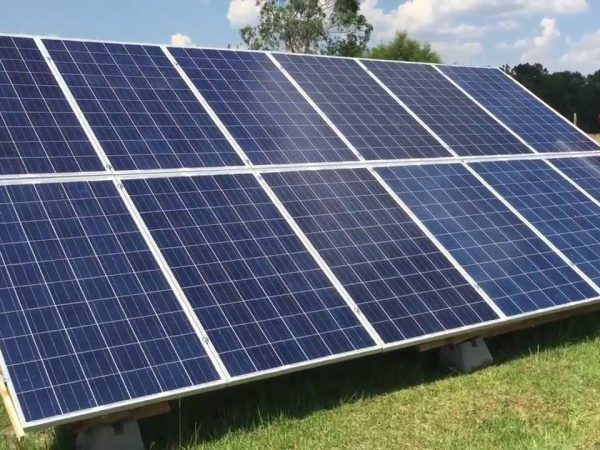
Installation quality directly impacts system lifespan, safety, and generation performance. Our installation teams follow disciplined engineering and workmanship standards across mechanical mounting, electrical integration, and grid connection processes to ensure every system performs reliably under New Zealand operating conditions.
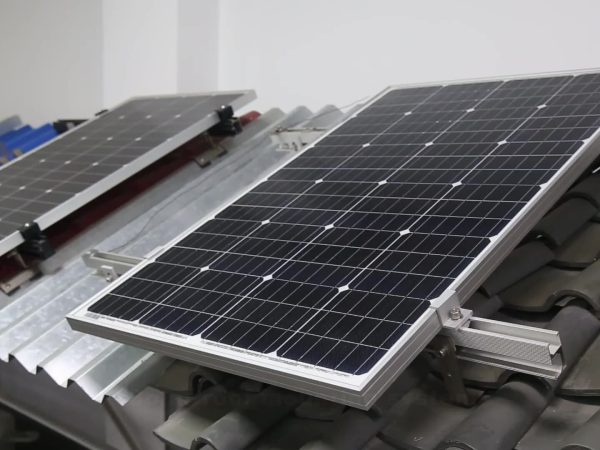
Mounting systems are engineered specifically for the building structure and local environmental conditions, including wind region and seismic loading requirements. We install weatherproof racking systems suited to corrugated iron, tile, trapezoidal, and membrane flat roofs without compromising roof integrity.
Wind and seismic load-compliant mounting design
Corrosion-resistant aluminium and stainless-steel hardware
Roof-specific flashing and waterproof penetration methods
Precision array alignment for airflow and maintenance access
Structural fastening verification and quality assurance inspections
Client Outcome: A mechanically secure solar array designed to withstand New Zealand’s demanding environmental conditions.
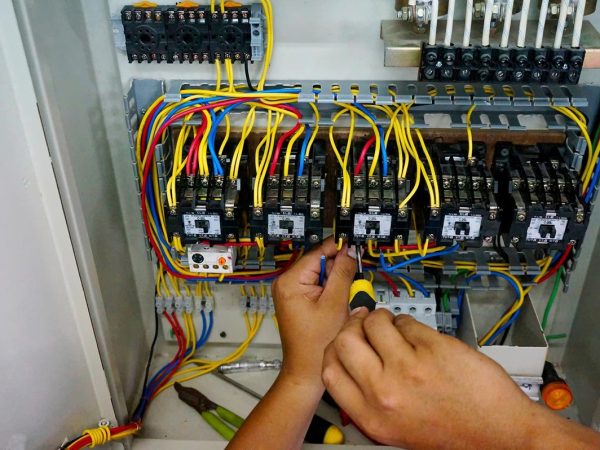
Electrical workmanship is critical to system safety and operational reliability. All DC and AC installations are completed in accordance with AS/NZS 5033, with careful attention to cable management, isolation, surge protection, and earthing integrity.
DC string wiring and voltage balancing
DC isolators, string fusing, and surge protection device installation
UV-resistant cable containment and segregation practices
Protective earthing and bonding verification
Thermal-safe termination and torque-controlled connections
Client Outcome: A safe, standards-compliant electrical installation engineered for long-term reliability and reduced fault risk.
We manage the complete grid connection process with the relevant lines company and electricity retailer to streamline approvals and commissioning. This includes export limit configuration, inverter protection settings, and network documentation submission.
Distributed generation application management
Protection relay and inverter setting configuration
Export control and zero-export programming where required
Coordination with lines companies and metering providers
Final grid approval and energisation support
Client Outcome: A compliant, grid-ready solar system connected efficiently with minimal administrative burden for the client.
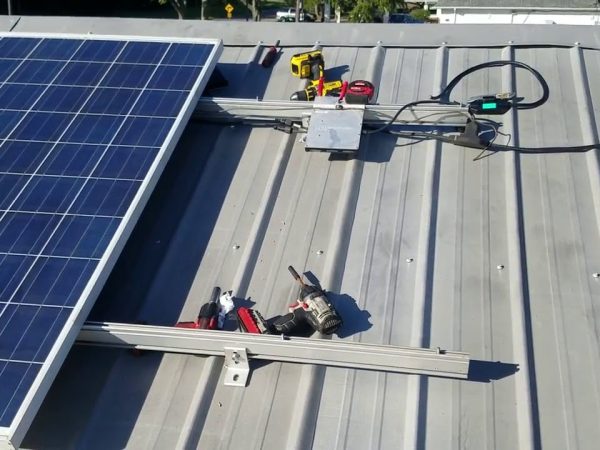
Commissioning is where engineering assumptions are validated under live operating conditions. We conduct comprehensive electrical and performance testing to confirm the system meets AS/NZS 4777.2 requirements, performs to specification, and is safe for network connection.
Before energisation, all protection and safety systems are tested and verified to ensure safe interaction with the electricity network. Proper commissioning is essential for both regulatory approval and long-term operational safety.
Anti-islanding and inverter protection testing
Verification of voltage and frequency trip settings
Insulation resistance and polarity testing
Functional testing of isolators and protection devices
AS/NZS 4777.2 commissioning documentation and sign-off
Client Outcome: A fully certified solar installation approved for safe operation and utility network connection.
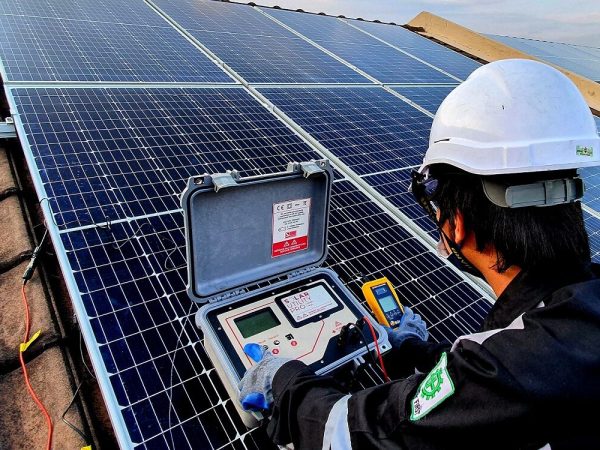
We use IV curve testing and electrical diagnostics to validate the performance of individual strings and modules before project handover. This process identifies hidden defects that may otherwise compromise long-term generation.
IV curve testing of strings and modules
Detection of micro-cracks, mismatch, and cell degradation
Thermal and electrical anomaly identification
Baseline generation performance benchmarking
Yield assurance verification prior to handover
Client Outcome: Confidence that the system is operating at its expected performance level from day one.
Clients receive a complete project documentation package to support future maintenance, warranty claims, and compliance requirements.
As-built drawings and single-line diagrams
Equipment datasheets and warranty registrations
Compliance certificates and test records
Shutdown and emergency operating procedures
Maintenance and monitoring guidance documentation
Client Outcome: Complete technical transparency and documentation for ongoing asset management and compliance assurance.
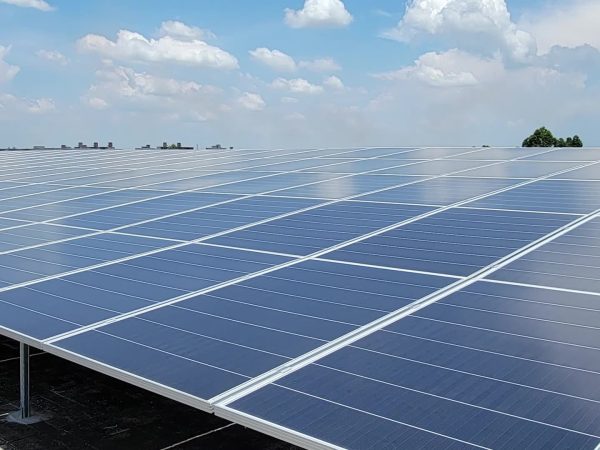
Solar PV systems require ongoing monitoring and maintenance to sustain performance over their 25+ year operating life. Our operations and maintenance programmes are structured around preventive maintenance principles, continuous monitoring, and standards-based inspection practices.
Cloud-based monitoring platforms provide real-time visibility of system generation, consumption, and fault conditions. Early detection of performance anomalies significantly reduces downtime and lost generation revenue.
24/7 monitoring of generation and consumption data
Automated fault alerts and inverter diagnostics
Performance ratio and yield trend analysis
Remote troubleshooting and issue escalation
Historical reporting and system analytics
Client Outcome: Faster fault resolution and sustained energy performance with minimal unplanned downtime.
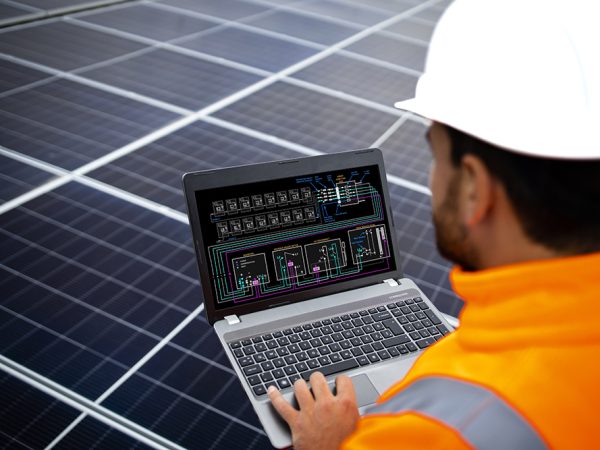
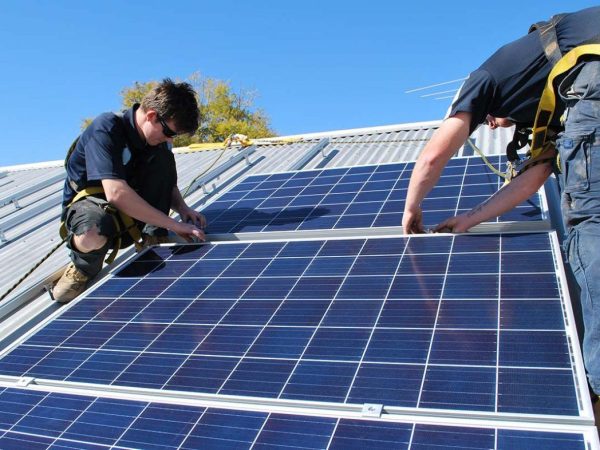
Scheduled maintenance is carried out in accordance with IEC 62446 and manufacturer service requirements to maintain electrical integrity and system efficiency.
Thermal imaging inspections for hotspot detection
Connection torque verification and switchgear inspection
Inverter firmware updates and operational checks
DC and AC protection device inspection
Preventive servicing documentation and maintenance reporting
Client Outcome: Reduced failure risk, extended equipment life, and stable long-term system performance.
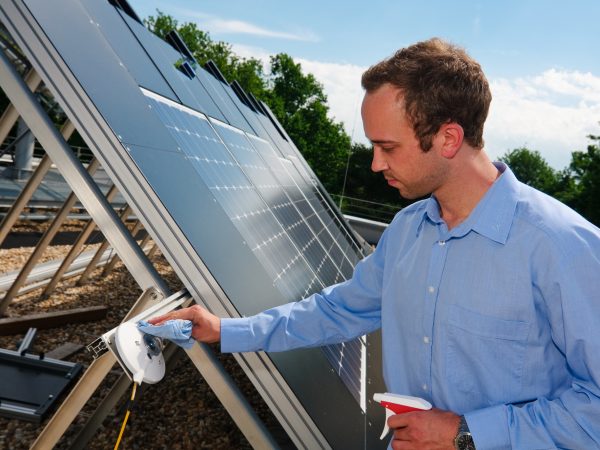
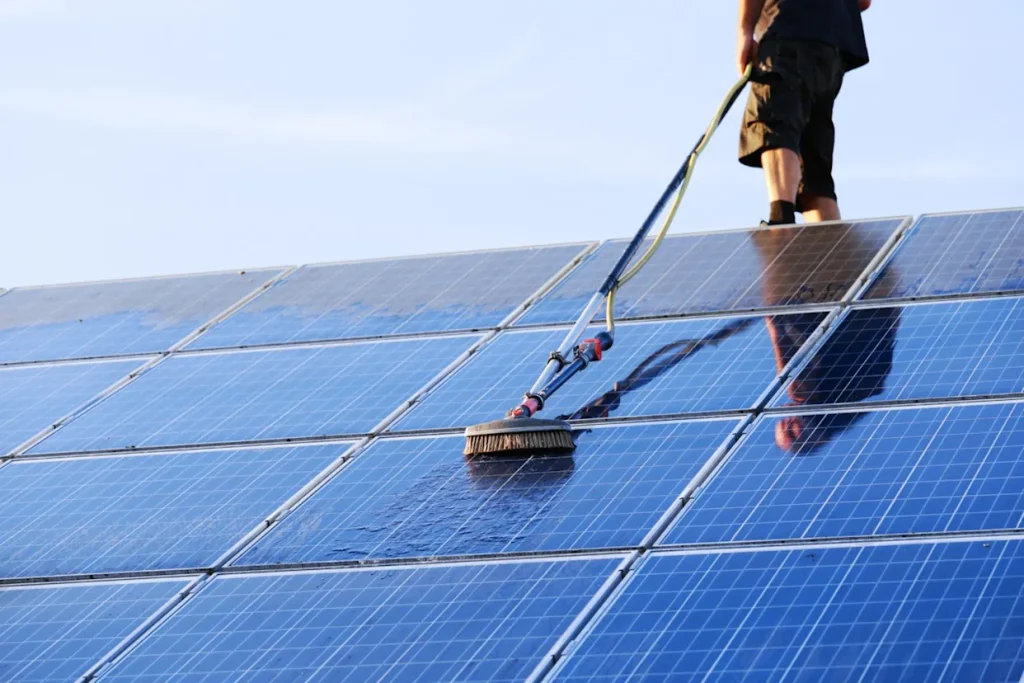
Environmental soiling can materially reduce solar production, particularly in coastal, agricultural, and high-pollen environments across New Zealand. Our specialist cleaning procedures safely restore panel efficiency without damaging module coatings or frames.
Removal of dust, bird fouling, salt residue, and lichen
Deionised water cleaning methods where appropriate
Non-abrasive cleaning techniques to protect module surfaces
Inspection for visible module defects during cleaning
Generation recovery assessment following maintenance
Client Outcome: Improved solar yield and restored system efficiency through safe, professional cleaning practices.
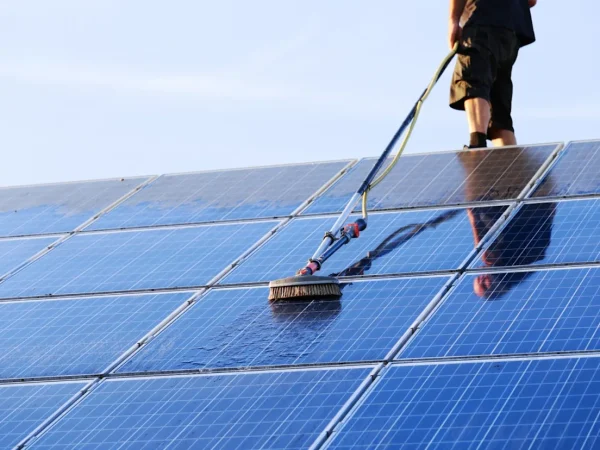
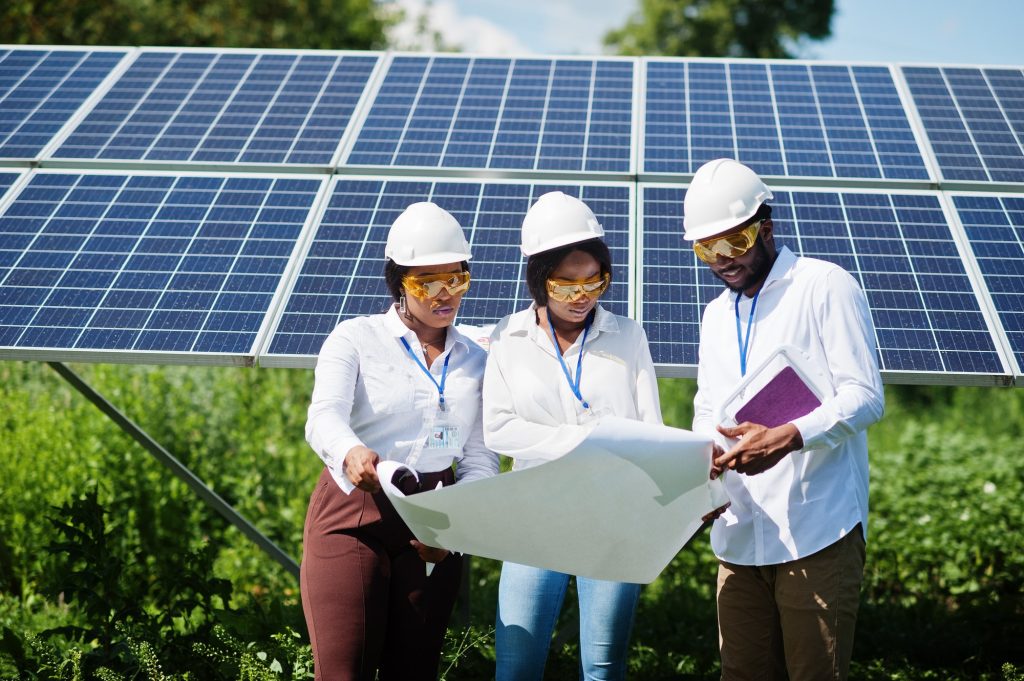
Our scheduled inspection service provides regular, professional health checks carried out by accredited technicians who know solar systems inside and out.
During each visit, we conduct a thorough assessment of panel condition, mounting hardware, DC and AC wiring, inverter operation, and safety isolators.
We also perform thermal imaging scans to detect hotspots or cell degradation that are invisible to the naked eye but can significantly impact output if left unaddressed.
Panel cleaning is included as a core part of our maintenance offering, using purified water and specialist equipment to safely remove grime, pollen, and soiling — restoring light absorption to its optimal level and, in many cases, recovering several percentage points of lost generation capacity.
Beyond routine care, our maintenance service provides rapid-response fault diagnosis and repair. If your monitoring system flags an anomaly, or if you simply notice a drop in output, our team is on hand to investigate quickly and resolve issues before they escalate. We carry a comprehensive inventory of spare parts for the most common inverter brands and panel manufacturers, meaning most faults can be resolved in a single visit. Our service also covers warranty management, helping you navigate manufacturer claims on your behalf and ensuring you receive the full protection your equipment entitles you to. With a maintenance plan in place, your solar investment is not just protected — it is continually optimised
Engineer-Led Quality: Managed by a Chartered Professional Engineer to ensure systems are designed correctly and fully compliant.
Significant Financial Savings: Engineered to pay for themselves within 7–9 years, delivering decades of free electricity.
10-Year Workmanship Guarantee: One of the strongest guarantees in the New Zealand market.
Safety First: Zero Harm Policy ensuring no work begins until Job Safety Analysis (JSA) is reviewed and signed.
Genuine Environmental Impact: Each installation offsets tens of tonnes of CO2 emissions over its 25-year life.